What Is Urinary Incontinence?
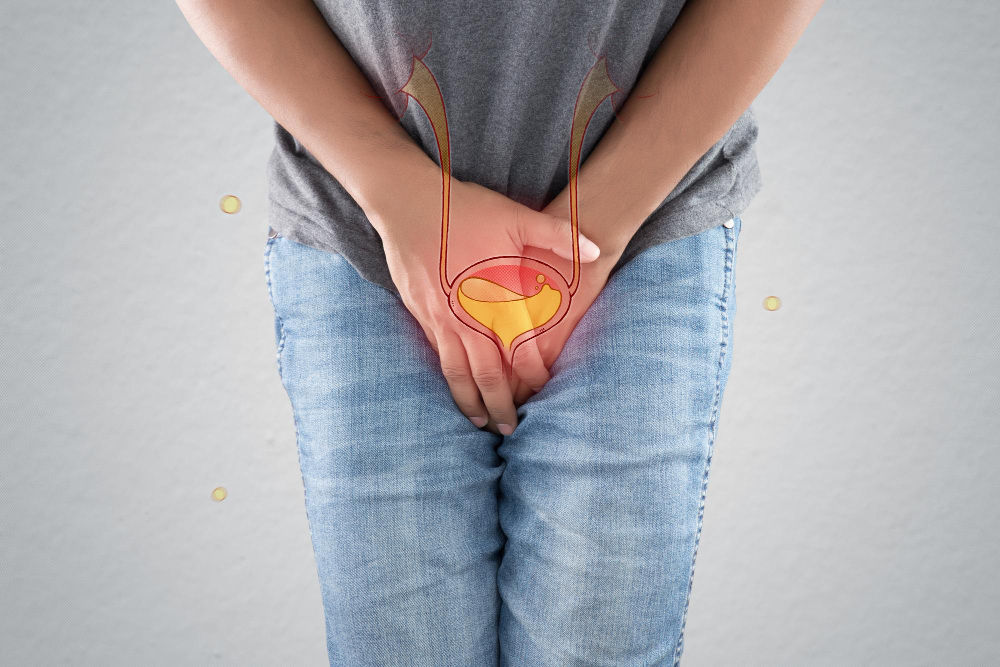
Urinary incontinence means losing control over your bladder. This can lead to leaking urine by accident. Many people feel embarrassed, but it is a common health problem. In fact, millions of people worldwide experience urinary incontinence. Early help can make a big difference. If you notice bladder control problems, you are not alone.
Common Symptoms of Urinary Incontinence
Urinary incontinence can show up in different ways. Some people may leak a few drops, while others may lose more urine. Often, symptoms can come and go. However, it is important to notice these signs early. Here are some common symptoms:
Types of Urinary Incontinence
There are several types of urinary incontinence. Each type has different causes and symptoms. Understanding the type can help with treatment. The main types include:
Causes and Risk Factors
Many things can cause urinary incontinence. Sometimes, it is due to a simple infection. Other times, it is linked to long-term health problems. Knowing the cause can help you find the right treatment. Here are some common causes and risk factors:
According to the World Health Organization (WHO), age and childbirth are leading risk factors for bladder control problems.
How Is Urinary Incontinence Diagnosed?
Doctors use several methods to diagnose urinary incontinence. First, they ask about your symptoms and medical history. Next, they may do a physical exam. Sometimes, simple tests can help find the cause. For example, your doctor may:
Early diagnosis can help you get the right treatment quickly.
Treatment Options for Urinary Incontinence
Treatment for urinary incontinence depends on the type and cause. Many people find relief with simple changes. However, some may need medicine or surgery. Here are common treatment options:
Lifestyle Changes
Medical Treatments
Surgical Options
Doctors will help you choose the best treatment for your needs.
How to Manage and Prevent Urinary Incontinence
While not all cases can be prevented, you can lower your risk. Even small changes can help manage bladder control problems. Here are some practical tips:
For more support, you can join local or online support groups. Many people find comfort in sharing their experiences.
Summary and When to See a Doctor
Urinary incontinence is a common problem that affects people of all ages. However, it is treatable. With the right care, most people can manage their symptoms. If you notice bladder control problems, do not wait. Early help can improve your quality of life.
For personalized advice, consult a healthcare professional at Kansal Hospital, Kaithal today.