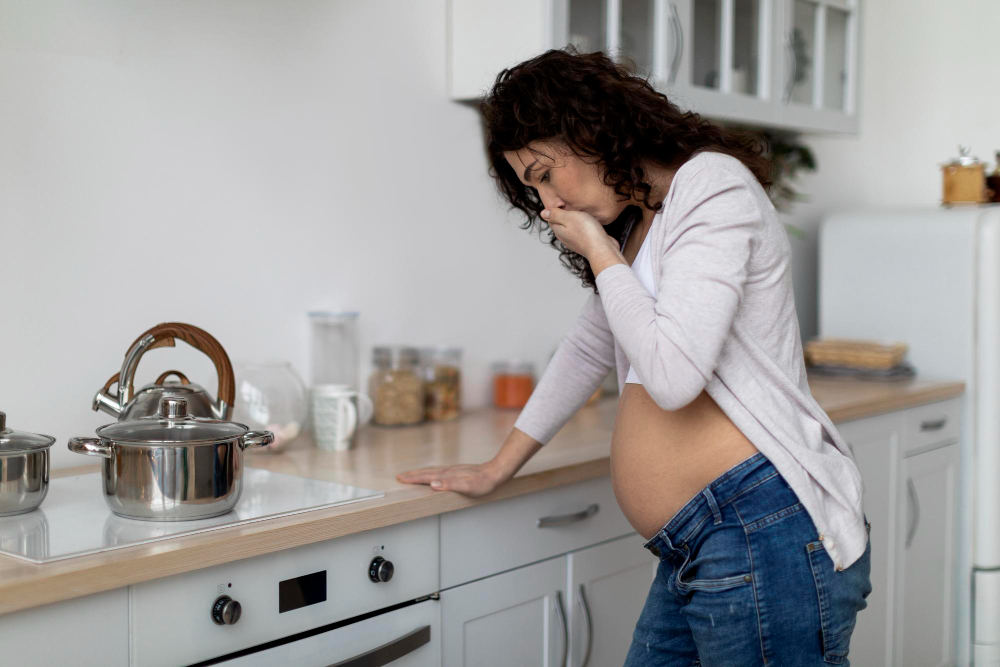
What Is Hyperemesis Gravidarum?
Hyperemesis Gravidarum is a condition that causes severe morning sickness in pregnancy. Unlike regular nausea, it leads to extreme vomiting and dehydration. While many women feel some nausea during pregnancy, Hyperemesis Gravidarum is much more intense. In fact, it can make daily life very hard. This condition often starts early in pregnancy and may last for several weeks or even months.
Symptoms of Hyperemesis Gravidarum
Not all nausea in pregnancy is the same. However, Hyperemesis Gravidarum has clear signs. If you notice these symptoms, you may need medical help:
Sometimes, these symptoms can get worse quickly. Therefore, it is important to watch for changes.
Causes and Risk Factors
Doctors are not sure what causes Hyperemesis Gravidarum. Still, some factors may increase the risk. For example, hormone changes in pregnancy may play a role. In addition, you may be at higher risk if:
Even so, anyone can develop severe morning sickness in pregnancy.
How Hyperemesis Gravidarum Affects Pregnancy
Hyperemesis Gravidarum can affect both mother and baby. Because of frequent vomiting, you may lose weight and become dehydrated. This can lead to:
However, with proper care, most women recover and have healthy babies. Early treatment makes a big difference.
Diagnosis and When to Seek Help
If you have severe nausea or vomiting, you should talk to your doctor. Your doctor may ask about your symptoms and medical history. Sometimes, blood or urine tests help check for dehydration or other problems. In some cases, you may need to visit the hospital. Early diagnosis helps prevent serious effects of Hyperemesis Gravidarum on pregnancy.
Treatment Options
Treatment for Hyperemesis Gravidarum depends on how severe your symptoms are. For mild cases, home care may help. But for more serious cases, you may need medical treatment. Common treatments include:
Your doctor will choose the best treatment for you. In addition, regular check-ups are important.
Tips for Managing Hyperemesis Gravidarum
While treatment is key, some tips may help you cope at home. For example:
Even so, always follow your doctor’s advice first.
Prevention and Outlook
There is no sure way to prevent Hyperemesis Gravidarum. However, early care can lower risks. If you had severe morning sickness in a past pregnancy, tell your doctor early. With the right support, most women recover well. Babies usually do fine if the mother gets proper treatment.
Conclusion and Call-to-Action
Hyperemesis Gravidarum is a serious form of morning sickness in pregnancy. It can affect your health and your baby’s well-being. However, with early care and support, most women recover fully. If you think you have symptoms of Hyperemesis Gravidarum, consult a healthcare provider at Kansal Hospital Kaithal for personalized advice.