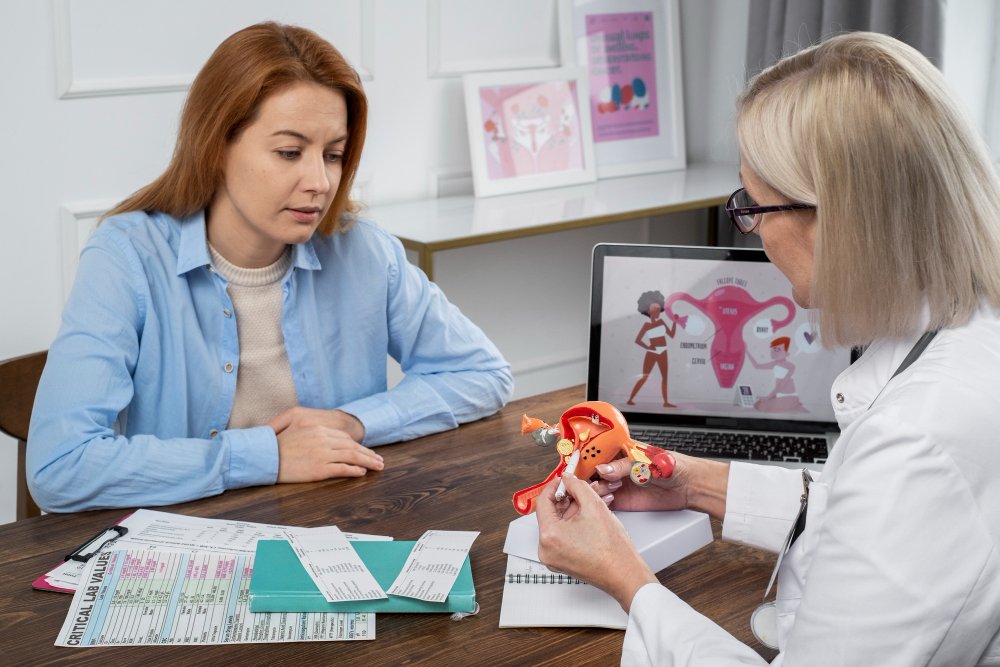
What is Ovarian Torsion?
Ovarian torsion happens when an ovary twists around the tissues that support it. This twist can cut off blood flow to the ovary. Because of this, ovarian torsion is a medical emergency. It can affect women of any age, but it is more common during childbearing years. If not treated quickly, a twisted ovary can lead to serious problems. For example, it may cause loss of the ovary or other health issues. Understanding ovarian torsion is important for women’s health and well-being.
Symptoms of Ovarian Torsion
Ovarian torsion often causes sudden and severe pain. However, symptoms can vary from person to person. Knowing the signs can help you seek help quickly. Common symptoms include:
Sometimes, the pain may feel like other problems, such as appendicitis or ovarian cyst complications. Therefore, it is important to pay attention to any new or severe pelvic pain.
Causes and Risk Factors
Ovarian torsion happens when the ovary twists. But what causes this twist? Several factors can increase the risk:
In some cases, the cause is not clear. However, having an ovarian cyst is the most common risk factor. According to the CDC, ovarian cyst complications can lead to torsion, especially if the cyst is large.
How Ovarian Torsion is Diagnosed
Doctors use several steps to diagnose ovarian torsion. First, they ask about your symptoms and medical history. Next, they perform a physical exam. Because ovarian torsion can look like other problems, doctors often use imaging tests. These may include:
Sometimes, the diagnosis is confirmed during surgery. Quick diagnosis is important. This is because delayed treatment can harm the ovary.
Treatment Options for Ovarian Torsion
Treating ovarian torsion is an emergency. Surgery is almost always needed to untwist the ovary. There are two main types of surgery:
During surgery, doctors try to save the ovary if possible. However, if the ovary is badly damaged, it may need to be removed. Early treatment can help keep the ovary healthy. According to the WHO, prompt care improves outcomes for women with twisted ovary.
Prevention and Lifestyle Tips
While you cannot always prevent ovarian torsion, some steps may lower your risk. For example:
Staying aware of your body and acting quickly can make a big difference. Even so, not all cases can be prevented.
When to See a Doctor
If you have sudden, severe pelvic pain, seek medical help right away. Especially if the pain is sharp, comes with nausea, or does not go away, you should not wait. Ovarian torsion is an emergency gynecology issue. Early treatment can save your ovary and prevent other problems. If you have a history of ovarian cysts or twisted ovary, talk to your doctor about your risks.
If you experience sudden pelvic pain, consult Kansal Hospital, Kaithal immediately for personalized guidance.