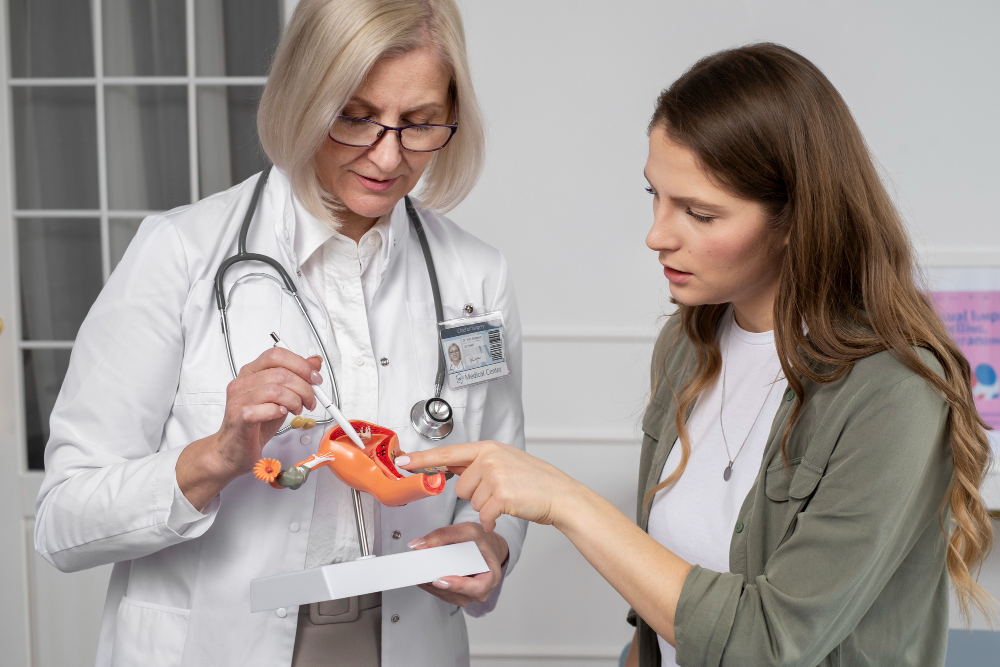
What Are Uterine Fibroids?
Uterine fibroids are non-cancerous growths that form in or on a woman’s uterus. These growths are also called myomas or leiomyomas. Many women have uterine fibroids at some point in their lives. However, most do not know they have them because they often cause no symptoms. Uterine fibroids can vary in size. Some are as small as a seed, while others can grow as large as a melon. Although fibroids are not cancer, they can cause discomfort or other health issues.
Common Symptoms of Uterine Fibroids
Many women with uterine fibroids do not notice any symptoms. Still, some may experience problems. Symptoms can depend on the size, number, and location of the fibroids. For example, larger fibroids may cause more noticeable issues. Common symptoms include:
Sometimes, fibroids can also cause problems with pregnancy or fertility. If you notice any of these symptoms, it is important to talk to your doctor.
Causes and Risk Factors
Doctors do not know exactly what causes uterine fibroids. However, several factors may increase your risk. For instance, hormones like estrogen and progesterone seem to play a role. These hormones help the lining of the uterus grow during each menstrual cycle. They may also help fibroids grow. Other risk factors include:
Although these factors can raise your risk, having one or more does not mean you will get fibroids. On the other hand, some women with no risk factors still develop them.
How Uterine Fibroids Are Diagnosed
Doctors often find uterine fibroids during a routine pelvic exam. If your doctor suspects fibroids, they may order tests to confirm. For example, an ultrasound uses sound waves to create a picture of your uterus. This test helps your doctor see the size and location of the fibroids. Other tests may include:
Early diagnosis can help you manage symptoms and choose the best treatment.
Treatment Options for Uterine Fibroids
Treatment for uterine fibroids depends on your symptoms, age, and plans for pregnancy. In many cases, no treatment is needed if you have no symptoms. However, if fibroids cause problems, several options are available. Your doctor will help you decide what is best for you. Common treatments include:
Although some treatments can affect fertility, others allow you to have children in the future. Always discuss your options with your healthcare provider.
Lifestyle Tips and Prevention
While you cannot always prevent uterine fibroids, healthy habits may lower your risk. For instance, eating a balanced diet with plenty of fruits and vegetables can help. Regular exercise and maintaining a healthy weight are also important. Here are some tips:
Even though these steps cannot guarantee prevention, they support your overall health.
Conclusion
Uterine fibroids are common and often harmless, but they can cause discomfort for some women. Because symptoms can vary, it is important to pay attention to your body. If you notice changes or have concerns, consult a healthcare specialist at Kansal Hospital, Kaithal for personalized advice on uterine fibroids.